
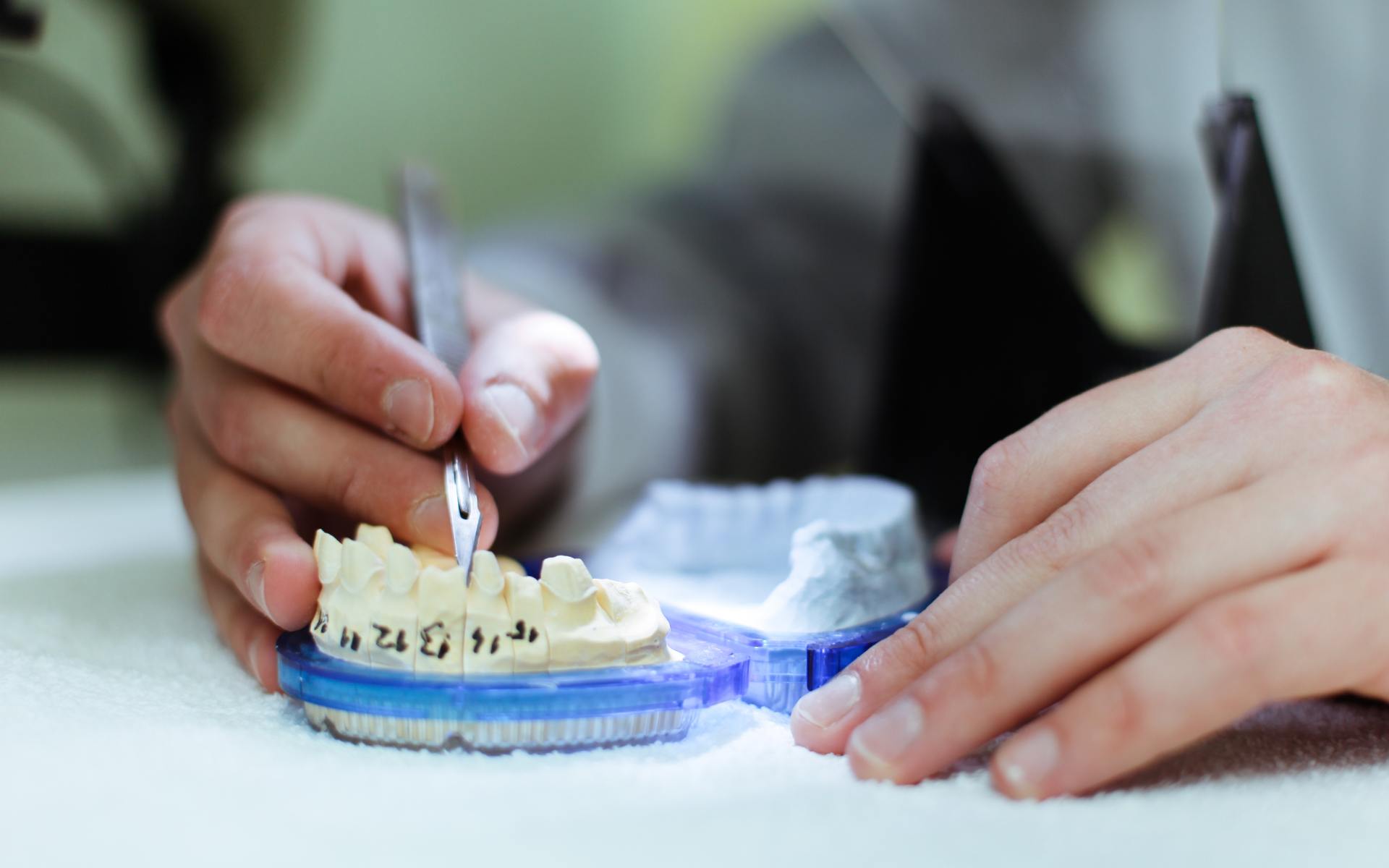
When you think of dentistry, the first image that comes to mind is usually the dentist’s chair, routine check-ups, or treatments like fillings and cleanings. But behind every confident smile and every successful dental restoration lies a world of precision, artistry, and innovation—inside the dental laboratory. Dental laboratories play a crucial role in modern dentistry, transforming impressions, scans, and clinical data into functional, durable, and natural-looking restorations.
In this blog, we’ll explore how dental laboratories operate, the technologies that drive them, and why they are such an integral part of your oral health journey.
What is a Dental Laboratory?
A dental laboratory is a specialized facility where skilled technicians create custom-made dental restorations and appliances. These include crowns, bridges, dentures, veneers, orthodontic devices, night guards, implant restorations, and more. Unlike dental clinics that treat patients directly, laboratories work hand-in-hand with dentists, taking detailed instructions and digital impressions to produce precise solutions that restore both function and aesthetics.
Think of the dental laboratory as the backstage crew of a theatre production: while the dentist is the main performer who interacts with the audience (patients), the lab ensures that everything behind the scenes is perfect for the final show—your smile.
The Evolution of Dental Laboratories
Traditionally, dental labs relied heavily on manual techniques, wax models, and stone casts. While artistry and craftsmanship have always been at the heart of dental technology, modern advancements have transformed the industry.
Today’s laboratories combine traditional skills with cutting-edge technology such as:
- CAD/CAM Systems (Computer-Aided Design & Manufacturing): Allowing precise digital designs and milling of crowns and bridges.
- 3D Printing: Offering faster turnaround times for models, aligners, and surgical guides.
- Digital Impressions: Replacing messy physical molds with highly accurate intraoral scans.
- Advanced Materials: Like zirconia, E-max, and hybrid ceramics that provide strength and natural beauty.
These advancements not only improve accuracy but also reduce treatment times and enhance patient comfort.
The Key Roles of a Dental Laboratory in Dentistry
1. Restoring Function and Comfort
Dental labs create restorations that allow patients to chew, bite, and speak naturally again. A well-designed crown or denture isn’t just cosmetic—it’s essential for proper oral function.
2. Enhancing Aesthetics
Patients today demand more than functionality—they want natural beauty. Laboratories specialize in shade-matching, layering techniques, and surface texture to ensure that restorations blend seamlessly with natural teeth.
3. Customization for Every Patient
No two smiles are alike. Dental labs craft restorations tailored to the unique needs, anatomy, and preferences of each patient. This personalized approach ensures comfort, longevity, and satisfaction.
4. Supporting Complex Cases
From full-mouth rehabilitations to implant-supported restorations, laboratories are essential for tackling advanced cases. Their expertise ensures accuracy in treatments that require collaboration between prosthodontists, surgeons, and general dentists.
5. Driving Innovation
As dentistry evolves, so do dental labs. They are at the forefront of adopting new technologies like digital workflows and biocompatible materials, pushing the boundaries of what’s possible in restorative and cosmetic dentistry.
The Process: How a Dental Lab Brings Restorations to Life
The journey of a restoration inside a dental laboratory is fascinating. Here’s a simplified step-by-step view:
- Data Collection – The dentist takes an impression or digital scan of the patient’s teeth.
- Design Phase – Using CAD software, technicians digitally design the restoration.
- Fabrication – Restorations are milled from zirconia, ceramic, or other materials, or 3D-printed.
- Artistic Touch – Skilled technicians layer porcelain, apply shades, and add texture to mimic natural teeth.
- Quality Check – Every restoration undergoes strict testing for accuracy, strength, and aesthetics.
- Delivery – The final product is sent to the dentist for fitting and placement.
This process highlights the blend of science, engineering, and artistry that defines modern dental technology.
Why Dental Laboratories Are Essential for Dentists
Dentists may be the face of treatment, but they rely heavily on laboratories for success. Without precise crowns, dentures, or aligners, even the most skilled dentist cannot deliver lasting results. A strong partnership between clinics and laboratories ensures:
- Accuracy: Proper fit reduces adjustments and chairside time.
- Efficiency: Digital workflows speed up treatment delivery.
- Quality Control: Reliable labs guarantee consistency in every restoration.
- Patient Satisfaction: Better fit, function, and aesthetics mean happier patients.
How Dental Laboratories Impact Patients
Even if patients never step inside a laboratory, the results are evident in their daily lives:
- Confidence in Smiling: Natural-looking restorations improve self-esteem.
- Comfort in Function: Patients can eat and speak without difficulty.
- Longevity of Treatment: High-quality lab work reduces the need for frequent replacements.
- Faster Turnaround: Digital labs can deliver results quicker, reducing waiting times.
The Future of Dental Laboratories
The future looks bright for dental labs, with continuous innovations shaping the industry:
- Artificial Intelligence (AI): Enhancing design accuracy and predicting long-term outcomes.
- Advanced 3D Printing: Allowing same-day restorations in collaboration with clinics.
- Sustainable Dentistry: Eco-friendly materials and processes to reduce environmental impact.
- Global Collaboration: Digital scans make it possible for dentists to work with labs across the world.
As these advancements grow, patients can look forward to even better restorations—faster, stronger, and more lifelike than ever.