
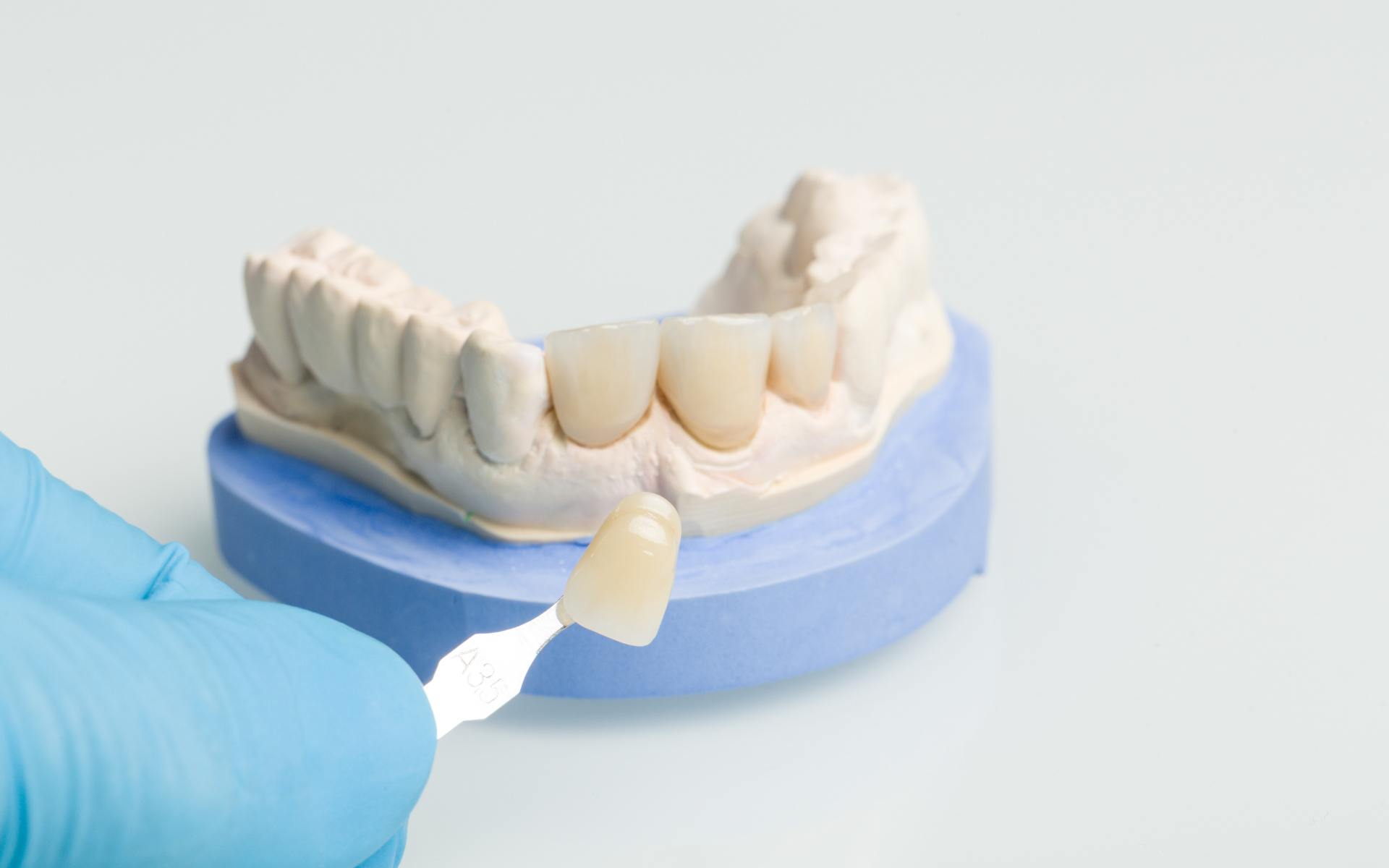
When you receive a dental crown or bridge, you probably think about the dentist who prepared your tooth and placed the restoration. But behind the scenes, there is another crucial player in your treatment’s success: the dental laboratory.
Dental laboratories are responsible for transforming impressions and scans into crowns and bridges that look natural, function properly, and fit comfortably. Accuracy and fit are not just technical details—they are essential to your oral health, comfort, and confidence.
In this blog, we’ll explore the step-by-step process of how dental laboratories achieve this precision, the technologies they use, and why their role is so vital in modern dentistry.
Why Accuracy and Fit Matter in Crowns and Bridges
Before diving into the process, it’s important to understand why accuracy is non-negotiable:
- Comfort: Poorly fitting crowns or bridges can cause irritation, gum inflammation, or discomfort while chewing.
- Functionality: If the bite is even slightly off, it can lead to jaw strain, uneven wear, or damage to surrounding teeth.
- Durability: Accurate fit ensures longevity, reducing the risk of fractures, looseness, or replacements.
- Aesthetics: Precision allows restorations to blend naturally with surrounding teeth, enhancing the smile’s overall look.
Accuracy is the foundation of patient satisfaction, and dental laboratories take multiple steps to guarantee it.
Step 1: Capturing Precise Impressions or Scans
The journey starts in the dental clinic. A crown or bridge begins with either:
- Traditional Impressions: Using dental putty to record the exact shape of teeth and gums.
- Digital Scans: Intraoral scanners that create a 3D model of the mouth with incredible detail.
Laboratories rely on these impressions or scans to design the restoration. Even a small error at this stage can compromise the entire process, which is why modern labs increasingly prefer digital workflows for their superior accuracy.
Step 2: Creating the Working Model
Once impressions or scans arrive at the lab, technicians create a working model.
- Traditional Workflow: Dental stone is poured into the impression to form a physical model.
- Digital Workflow: CAD software generates a virtual 3D model that can be viewed from all angles.
This model acts as the foundation for designing the crown or bridge, ensuring technicians understand the patient’s bite, occlusion, and spacing.
Step 3: Digital Design with CAD Technology
Modern laboratories use Computer-Aided Design (CAD) to plan restorations with pinpoint precision. Technicians digitally sculpt crowns and bridges, making sure they align perfectly with adjacent and opposing teeth.
CAD systems allow for:
- Adjusting contours and thickness for strength and aesthetics.
- Simulating the patient’s bite to check functionality.
- Designing frameworks that support natural chewing forces.
This digital step dramatically reduces human error and ensures restorations match the unique anatomy of each patient.
Step 4: Fabrication with CAM and Milling Technology
Once designed, the file is sent to Computer-Aided Manufacturing (CAM) machines. High-tech milling units carve restorations from solid blocks of zirconia, ceramic, or other materials.
This method guarantees accuracy within microns, producing restorations that are both strong and perfectly shaped. Some labs also use 3D printing for certain components, offering faster turnaround times and precision.
Step 5: Material Selection for Accuracy and Fit
Different materials play a role in how well a crown or bridge fits and functions. Common options include:
- Zirconia: Highly durable, ideal for back teeth where biting force is strongest.
- E-max (Lithium Disilicate): Known for translucency and natural aesthetics.
- Porcelain-Fused-to-Metal (PFM): Combines the strength of metal with the beauty of porcelain.
Technicians select the best material based on the dentist’s prescription and patient needs, ensuring long-term comfort and performance.
Step 6: Layering, Staining, and Shaping
For crowns and bridges that need a lifelike appearance, technicians go beyond accuracy—they apply artistry.
- Layering: Porcelain or ceramic is layered to mimic natural enamel.
- Staining: Color adjustments are made to match the patient’s natural tooth shade.
- Shaping: Surfaces are contoured to replicate natural chewing patterns.
These finishing touches not only enhance aesthetics but also contribute to comfort and correct function.
Step 7: Trial Fitting and Verification
Before final approval, many labs perform trial fittings on the model. This allows technicians to:
- Verify margins fit precisely against the tooth.
- Check occlusion to ensure the restoration won’t interfere with natural bite.
- Identify and fix any potential weak points.
By resolving issues in the lab, they reduce adjustments needed chairside, saving time for both dentist and patient.
Step 8: Quality Control and Inspection
Every crown and bridge undergoes rigorous quality control. Technicians check for:
- Marginal accuracy (the tight seal where crown meets tooth).
- Shade and color consistency.
- Smoothness of surfaces to prevent plaque buildup.
- Structural integrity to withstand long-term use.
Only after passing these checks is the restoration approved for delivery.
Step 9: Collaboration Between Dentist and Lab
Accuracy doesn’t depend on technology alone—it’s also about communication. Dentists and labs collaborate closely by sharing:
- Detailed prescriptions.
- Photos for shade matching.
- Notes on patient preferences.
This teamwork ensures restorations meet both clinical requirements and patient expectations.
Step 10: Patient Benefits of Accurate Crowns and Bridges
When dental laboratories focus on accuracy and fit, patients enjoy multiple benefits:
- Comfortable Wear: No irritation or soreness from poorly fitting restorations.
- Proper Function: Patients can chew and speak naturally.
- Long-Term Durability: Well-fitting crowns last longer, saving time and money.
- Improved Aesthetics: Natural-looking results boost confidence and smiles.
The Role of Technology in Ensuring Accuracy
Today’s dental laboratories rely heavily on digital dentistry to achieve consistency. Some game-changing tools include:
- CAD/CAM Systems for precision design and milling.
- 3D Printers for rapid prototyping and surgical guides.
- Digital Shade Matching to replicate natural tooth colors accurately.
- AI-Powered Software to optimize designs and predict outcomes.
These innovations are setting new standards in accuracy and patient satisfaction.
The Future of Crowns and Bridges in Dental Labs
Looking ahead, dental laboratories are embracing even more advanced solutions:
- Same-Day Restorations: Chairside CAD/CAM integration.
- Smarter Materials: Stronger, lighter, and more natural-looking ceramics.
- Eco-Friendly Practices: Sustainable materials and processes.
- Global Collaboration: Cloud-based scans allowing dentists worldwide to partner with specialized labs.
The result will be faster, more reliable, and more patient-friendly restorations.